Woks have a method of drawing chefs in. The first time I picked up a wok, I underestimated its versatility and the sophisticated differences that include exclusive resources. If you could have stood in a kitchenware aisle or scrolled as a result of pages of cookware, you've gotten most definitely paused at the question: cast iron or carbon steel? Both have unswerving fanatics and storied histories, however what about the rate - equally at the income check in and in everyday use? Let’s step using the real variations, surprises, and alternate-offs among these two basic woks.
The Heritage of Each Wok
In Chinese kitchens, woks were imperative for centuries. Carbon metallic changed into established inside the twentieth century, prized for its lightness and responsiveness. Cast iron has roots even deeper, with thick-walled editions favorite for stewing and deep-frying in northern China. Western kitchenware brands have delivered their own twists, now and again complicating the photo with seasoning shortcuts or introduced coatings.
Understanding this context things. A wok will never be only a pan: it's a tool formed by generations of cooks refining its design for their stoves and foods. The materials you go with impacts the way you prepare dinner and what you pay.
What Drives the Price?
The sticker value of a wok is formed via a number of causes: raw drapery payment, labor, production area, manufacturer attractiveness, and extra positive factors. Carbon steel is much less high-priced per pound than forged iron. However, hard work expenses can flip this. Hand-hammered carbon metallic woks from China can check two times as a good deal as computer-forged iron ones from a Western logo.
Cast iron woks differ dramatically. You’ll see user-friendly versions from Chinese manufacturers starting round $30 to $50 for a 14-inch wok, typically less if unbranded. Western cast iron (feel Lodge) can climb to $70 or extra, partly on account of thicker partitions and teeth coatings.
Carbon metallic woks jump low: $20 to $forty for entry-point, heavily produced pans. If you choose hand-hammered or strong point shapes (pow woks with spherical bottoms), assume $60 to $a hundred and twenty, highly when imported or made by using artisans.
The numbers handiest tell half of the story. You additionally pay in weight, seasoning attempt, preservation, and suppleness. These hidden rates commonly topic just as an awful lot because the prematurely worth.
Comparing Everyday Use
Price is hardly ever basically check; it's also approximately time and pleasure. I don't forget my first forged iron wok - a beast at virtually 9 kilos empty. It held heat superbly however left me winded after twenty mins of tossing vegetables. In assessment, my favored carbon steel wok weighs beneath 4 kilos and actions with me throughout the burner.
Heat Performance
Cast iron excels at protecting warmness. This makes it fantastic for deep-frying or braising wherein secure temperature topics greater than sudden shifts. On the other hand, carbon metal heats up immediately and responds quick once you enhance or diminish the flame - well suited for stir-fries that demand cut up-2nd timing.
If you prepare dinner on an induction cooktop or glass-precise electrical range, weight turns into even more proper. Some glass cooktops crack below heavy forged iron. For excessive-BTU gas stoves, both drapery will work; but on house burners that lack electricity, carbon metallic's responsiveness routinely makes up for its minimize warmness retention.
Seasoning and Maintenance
Seasoning is where many purchasers underestimate their funding. A new forged iron wok may arrive pre-seasoned if acquired from a Western emblem (like Lodge), but most Asian fashions require quite a few rounds of oiling and heating prior to they may be all set. Carbon metallic desires similar care: washing off factory oils, burning off residues over top heat, then development up layers of polymerized oil with the aid of repeated cooking.
Here’s a instant comparative list for seasoning:
Preparation: Both want preliminary scrubbing and seasoning unless pre-seasoned. Ease: Carbon metallic seasons quicker by reason of its smoother pores. Durability: Cast iron holds seasoning longer however chips if dropped. Maintenance: Both demand delicate washing (no cleaning soap), quick drying, re-oiling after use. Repair: Rust is simpler to take away from carbon metal; forged iron demands greater vigilance opposed to deep pitting.If you’re new to wok cooking and impatient with renovation, a pre-professional forged iron kind would possibly aspect out carbon metal in comfort - a minimum of till you get mushy retaining your own patina.

Cooking Versatility
This comes right down to how you prepare dinner by and large. Cast iron’s thick base assists in keeping oil temperature constant for deep-frying spring rolls or fowl wings. But it takes longer to warm up for quick stir-fries - mostly long sufficient that greens steam in place of sear.
Carbon metallic is nimble. Its lighter body means that you can toss noodles with one hand at the same time as flipping an omelet with the alternative. If “wok hei” - that coveted smoky aroma from excessive-heat stir-frying - is your target, carbon metallic affords you a improved shot at attaining it on a fashionable homestead stove.
The flip edge: carbon metallic is much more likely to warp if overheated empty or uncovered to unexpected temperature shifts (like rinsing a hot pan with cold water). https://www.cookwarereviewhub.com/ Cast iron shrugs off abuse but can crack if dropped on tile floors.
Longevity vs Cost Over Time
A well-cared-for wok must last many years. The difference is in how it a while. My grandmother’s solid iron has considered forty years of provider; its surface is dark and glassy from enormous quantities of ingredients. A loved one’s carbon metal, purchased ten years ago at a moist industry in Guangzhou for about $15 USD, still outperforms so much sleek nonstick pans - however its backside is a bit of asymmetric from years on an historic coal range.
If you’re purchasing for natural durability according to greenback spent:
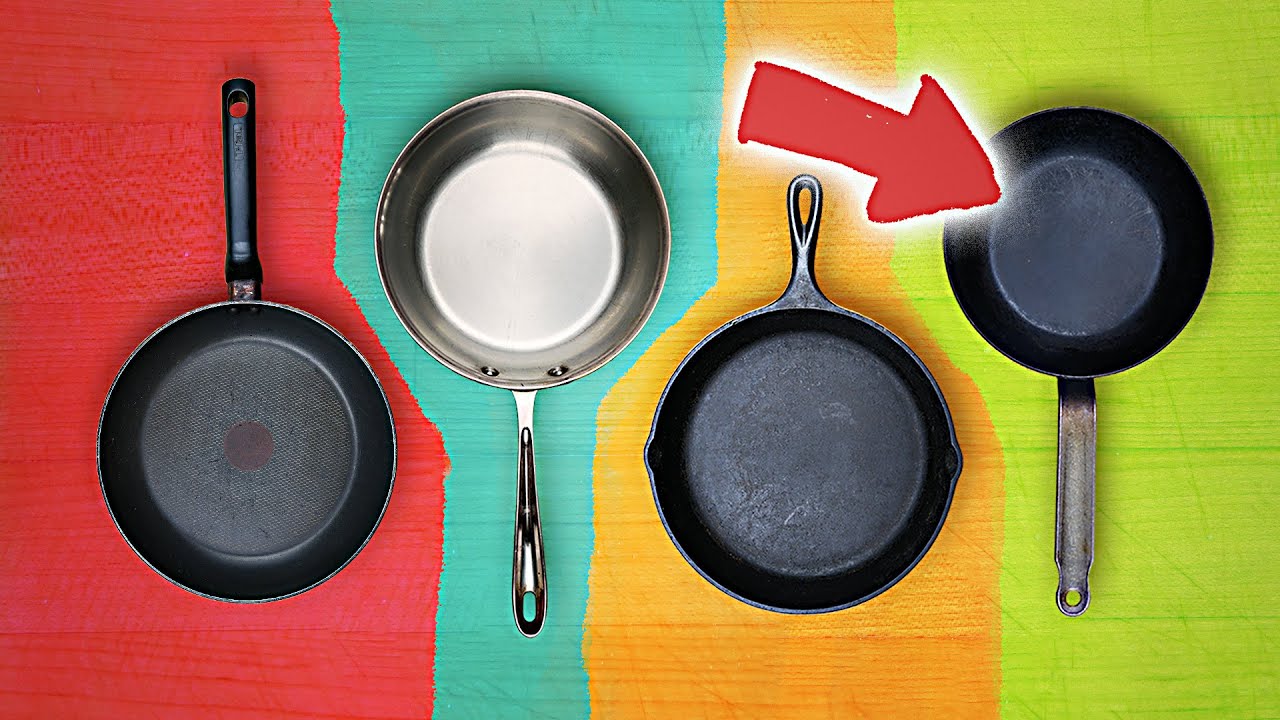

- Cast iron wins in the event you settle for its weight and treat it gently. Carbon steel might desire to be replaced each and every decade or so if abused, but cautious users get generations of provider.
Enamel-lined solid iron complicates issues. The coating prevents rust however chips genuinely with metallic utensils or high heat. Once chipped, it exposes uncooked iron that rusts temporarily - in general requiring substitute a ways earlier than naked metallic woks.
Price Beyond the Pan: Accessories and Upkeep
Your wok is simply as wonderful as your setup allows. Consider the extras:
- Handles: Cast iron frequently has loop handles; carbon metallic might also have wood “helper” handles that keep cool. Lids: Rarely integrated. Expect to spend an alternate $10-$20. Wok rings: Useful for round-bottomed models on flat Western stoves. Brushes or bamboo scrubbers: A few bucks but critical for repairs. Oil for seasoning: Any neutral oil works; don’t purchase “seasoning kits.”
These extras add up - most likely an alternative $20-$40 on accurate of your preliminary buy.
User Experience: A Cook’s Perspective
I’ve cooked with both in homestead and eating place settings. For catering jobs, in which speed things and I may well be cooking for hours at a stretch, carbon steel wins fingers-down: lighter, less difficult to smooth among batches, less draining on my wrists. The downside suggests up in substantial-scale deep-frying or lengthy braises; here, forged iron’s mass pays off by keeping secure heat once I pour in cold meals.
At dwelling house, I succeed in for forged iron once I favor a one-pot meal to cling warmness at the desk - consider mapo tofu or pink-cooked pork stomach. For weeknight stir-fries or whatever thing regarding short pours of sauce and vegetables in succession, carbon steel will get the nod.
One unnoticed change is how each one subject matter interacts with acidic meals. Tomato-structured sauces or vinegar-heavy stir-fries can strip seasoning from either models, but cast iron is extra prone if not appropriately pro. Some cooks dodge because of sturdy acids in their solid iron altogether until they belief their patina is mature.
A Brief Table: Typical Price Ranges and Features
| Type | Typical Price Range (USD) | Weight (14-inch) | Heating Style | Seasoning Required | Durability | |-------------------|--------------------------|------------------|--------------------|--------------------|---------------------------| | Cast Iron | $30 - $80 | 7 - 12 lbs | Slow/Even | Yes | Decades with care | | Carbon Steel | $20 - $120 | three - 5 lbs | Fast/Responsive | Yes | Decades if maintained | | Enamel Cast Iron | $70 - $one hundred fifty | 8 - thirteen lbs | Slow/Even | No | Chips shorten lifespan |
Prices differ centered on emblem and end. Expect top costs for hand-hammered or imported fashions. Entry-degree options are serviceable for those who invest time in authentic seasoning.
Who Should Buy What?
If your kitchen is small or your wrists tire actual, carbon steel’s scale back weight is a comfort. Apartment dwellers with induction stoves may additionally discover forged iron less complicated to pair with their cooktops due to its magnetic heft. Outdoor chefs who love campfire stir-fries need to note that forged iron stands up superior to open flames and rough dealing with.
Budget-conscious shoppers get more magnitude per buck from carbon metallic unless they crave a pan that doubles as a serving vessel for gradual-simmered stews. Cast iron rewards patience and care, whereas carbon metal forgives moved quickly seasoning missteps - you will perpetually strip returned rust and begin back.
Here’s a straight forward list of factors to weigh while choosing:
Heat source (gasoline is perfect for either; induction prefers forged iron) Cooking taste (brief stir-fries vs sluggish braises) Tolerance for weight Willingness to handle seasoning Budget for initial buy plus required accessoriesReal-World Shopping Advice
Don’t be dazzled by using advertising and marketing claims or sky-prime charges. I’ve picked up tremendous carbon steel woks in Chinatown outlets for much less than $25 that outperform designer fashions three instances the payment. Inspect welding caliber on handles and keep away from pans with painted in preference to bare-steel interiors.
If you pick solid iron, are attempting lifting a reveal edition formerly purchasing online - nine pounds of pan feels distinctive in hand than it seems in a picture. If viable, choose one with a somewhat thinner wall for domicile use; business items shall be overkill for modest stoves.
Seasoning continues to be the maximum primary investment after your purchase. Plan an hour for initial prep work formerly your first meal; watch just a few videos or ask an experienced chum for steering if you happen to’re doubtful.
Final Thoughts: Value Lies in Fit
Ultimately, “Cast Iron Wok vs Carbon Steel” is simply not on the subject of dollars spent yet about matching your machinery in your wishes and habits. Both supplies offer very good fee if cared for correctly. Cast iron brings heft and background; carbon steel brings flexibility and pace. The true possibility promises years of safe cooking at a fraction of the charge - and a long way greater pleasure - than leaping from one nonstick pan to a different.
As you weigh your thoughts, feel not just worth tags but the rhythm of your cooking existence: how you go in your kitchen, what you adore to consume, who you cook for. With care and perform, both wok will benefits you with nutrition that sizzle with flavor and culture. And that’s a go back on funding no spreadsheet can calculate.